Porsche’s range encompasses daily-driven sports cars, GT models and performance SUVs. Their maintenance requirements are correspondingly varied. Understanding the particular specification of a vehicle is the starting point for any meaningful cost discussion.
Five considerations shape the maintenance calendar: model, braking system, mileage, transmission and driving use. Together, they explain why two vehicles carrying the same badge may have very different service profiles.
1. Model and equipment
A Carrera, Turbo S and GT model are engineered around different performance requirements. Drivetrain configuration, suspension technology and optional systems influence the components that require inspection or maintenance.
An estimate should therefore be tied to the exact model, year and equipment rather than a general 911 figure.
2. Steel or carbon-ceramic brakes
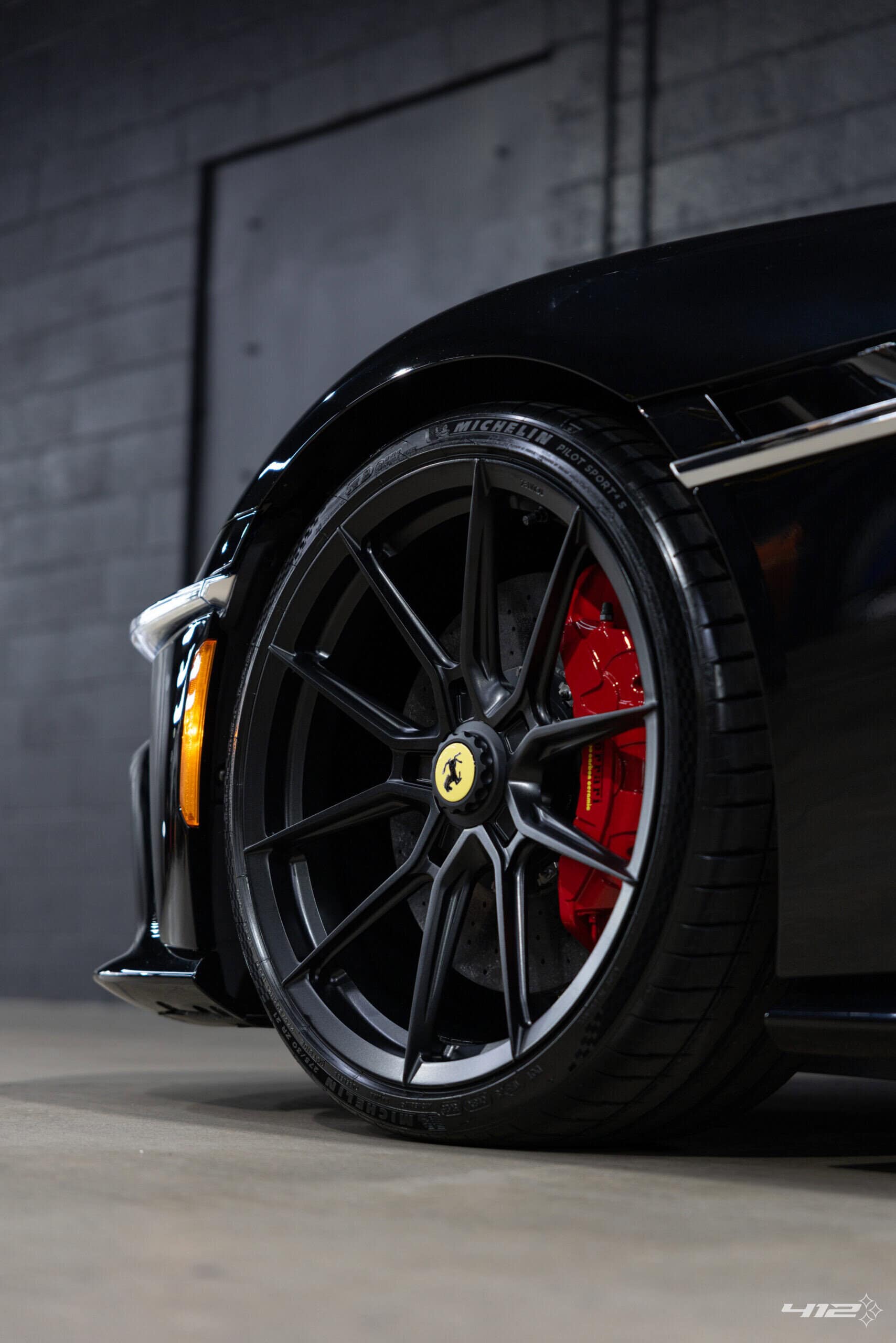
Braking system specification can materially change the cost of replacement components. Steel brakes and carbon-ceramic systems have different inspection and replacement considerations.
For a prospective purchase, confirm which system the car carries and have its condition assessed against the relevant manufacturer criteria. A maintenance plan should reflect the equipment fitted to the individual vehicle.
3. Annual mileage
A regularly driven Porsche reaches mileage-based service intervals and consumable replacement points differently from a low-use vehicle. Tires, brakes and other wear items reflect distance and driving conditions, while time-based maintenance remains relevant to both.
When comparing ownership costs, it is useful to consider annual expenditure alongside expected mileage, rather than treating either as a complete picture.
4. Manual or PDK transmission
Transmission type introduces different maintenance operations. PDK-equipped models have prescribed service requirements, while manual vehicles have their own clutch and gearbox considerations.
The precise intervals and operations vary by model and generation. The service history should establish what has been completed and what comes next.
5. Driving conditions
Road use and track use place different demands on brakes, tires and fluids. Owners who attend track events should discuss preparation, inspection and post-event maintenance in addition to the standard schedule.
A Los Angeles-area vehicle used frequently at circuits such as Willow Springs or Buttonwillow benefits from a plan based on actual use rather than an assumption of ordinary road conditions.
Looking across five years
A five-year plan can begin with the manufacturer’s scheduled service intervals and then account for expected mileage and the condition of consumables. Larger service operations, tire replacement and braking work may fall in different years.
Changing one factor, such as track use or the braking system, changes the projection. That is why an individualized maintenance calendar is more informative than a fixed annual estimate.
Additional areas to consider
Tire fitment, age and wear deserve regular review, particularly on models with staggered wheel sizes. Cooling-system components, suspension and turbocharged systems may also require inspection or diagnosis as vehicles accumulate age and mileage.
These are areas to assess, not assumptions that every Porsche will experience the same repair.
Cayenne and Macan
Porsche SUVs have their own service and wear patterns. Vehicle weight, daily mileage, suspension configuration and powertrain all affect maintenance planning.
Where fitted, air suspension or hybrid systems introduce additional inspection and service considerations. An SUV estimate should be based on its exact configuration, rather than borrowed from a 911 maintenance guide.
Dealer or independent specialist
The appropriate provider depends on the work, the vehicle’s coverage and the specialist’s familiarity with the platform. Confirm any applicable factory maintenance or warranty conditions before booking. For work outside those programs, compare providers on technical capability, parts specification, documentation and scope of service.
Comparing marques
A useful ownership comparison between Porsche, Ferrari and Lamborghini should account for vehicle age, annual mileage, specification and use. Comparing the annual invoice of a daily-driven Porsche with that of an occasional-use supercar can obscure more than it reveals.
For a wider perspective, see our Ferrari maintenance cost guide and our discussion of how performance modifications relate to reliability.
A considered maintenance plan
Review the service history before purchase, verify significant equipment such as carbon-ceramic brakes, follow the appropriate maintenance intervals and document completed work. Regular condition checks allow consumables and scheduled items to be considered together.
Porsche service at 412 Motorsport
At 412 Motorsport in Los Angeles, Porsche maintenance is considered alongside the individual car’s specification, use and history. Share the model, year, mileage and relevant equipment with our team to discuss its service requirements, and explore our Porsche services.
Frequently asked questions
How much does Porsche maintenance cost per year?
It depends on the model, year, mileage, equipment, condition and scheduled work. A vehicle-specific plan provides a more useful estimate than a single range for the entire marque.
How does Porsche maintenance compare with other exotic cars?
Compare vehicles with similar age, use and service scope. Annual mileage can materially affect the result.
What can be a significant replacement item?
Carbon-ceramic brake components, where fitted, can represent substantial expenditure. Drivetrain or other major repairs vary by model and condition.
Must a Porsche be serviced at a dealer?
Review the relevant warranty and maintenance-program terms. A qualified independent specialist may be an option for appropriate work, provided specifications and documentation are maintained.
Is higher mileage necessarily a disadvantage?
Mileage should be considered alongside service history, condition and the nature of use. An inspection is more informative than the odometer alone.