Ferrari ownership extends beyond the purchase. At our Los Angeles facility, maintenance follows a calendar of scheduled work, while the condition of consumables and age-related components introduces a second set of considerations. Understanding both gives owners a clearer view of the years ahead.
Published third-party estimates put Ferrari maintenance at roughly $3,000–$8,000 per year across models. This is a broad market range rather than 412 Motorsport pricing or a forecast for a particular vehicle. The model, its history, the scheduled interval and its use are more informative than an average alone.
What the annual service covers
Routine maintenance generally centers on engine oil, filters, fluid checks, inspections and service-related procedures specified for the model. At larger intervals, additional fluids, filters, spark plugs or other components may enter the schedule.
The distinction is between recurring maintenance and work arising from condition or wear. Reviewing the service schedule makes it possible to anticipate the former and prepare for the latter.
The components behind the cost
Labor, specified fluids and filters establish much of a routine service invoice. Brakes, tires and certain drivetrain components follow their own replacement considerations. Their condition can change the total substantially without altering the annual service itself.
For that reason, a comprehensive maintenance discussion should include both the next scheduled appointment and the current state of the vehicle’s major wear items.
Routine years and major-service years
Not every year carries the same scope. One may involve routine scheduled work; another may coincide with a larger service interval. Tires or brakes may also require attention independently of the annual appointment.
A review of the manufacturer’s schedule, service file and inspection findings provides a more useful forward plan than assigning the same allowance to every year.
Model and generation
A naturally aspirated V12, a modern turbocharged V8, an older single-clutch F1-transmission car and a contemporary hybrid each present different maintenance considerations. Their systems, service operations and potential wear items should be assessed individually.
For an older F1-transmission car, clutch condition and related service history deserve particular attention. A hybrid introduces additional systems and specialist procedures. Across the range, a complete and consistent record remains valuable.
Factory maintenance programs
Eligible vehicles may have scheduled maintenance covered under a Ferrari program for a defined period. Coverage, transferability and authorized service conditions depend on the applicable terms. Check the vehicle’s status before building a maintenance budget around work that may already be included.
Mileage, age and storage
Distance is only one measure of use. Fluids and tires have age-related considerations, batteries require attention during storage, and periods of inactivity can introduce their own maintenance needs. Regular driving does not eliminate wear, just as low mileage does not eliminate scheduled service.
The appropriate plan should reflect how the car is actually used, whether as a frequent driver, occasional weekend car or long-term collection vehicle.
Tires, brakes and battery care

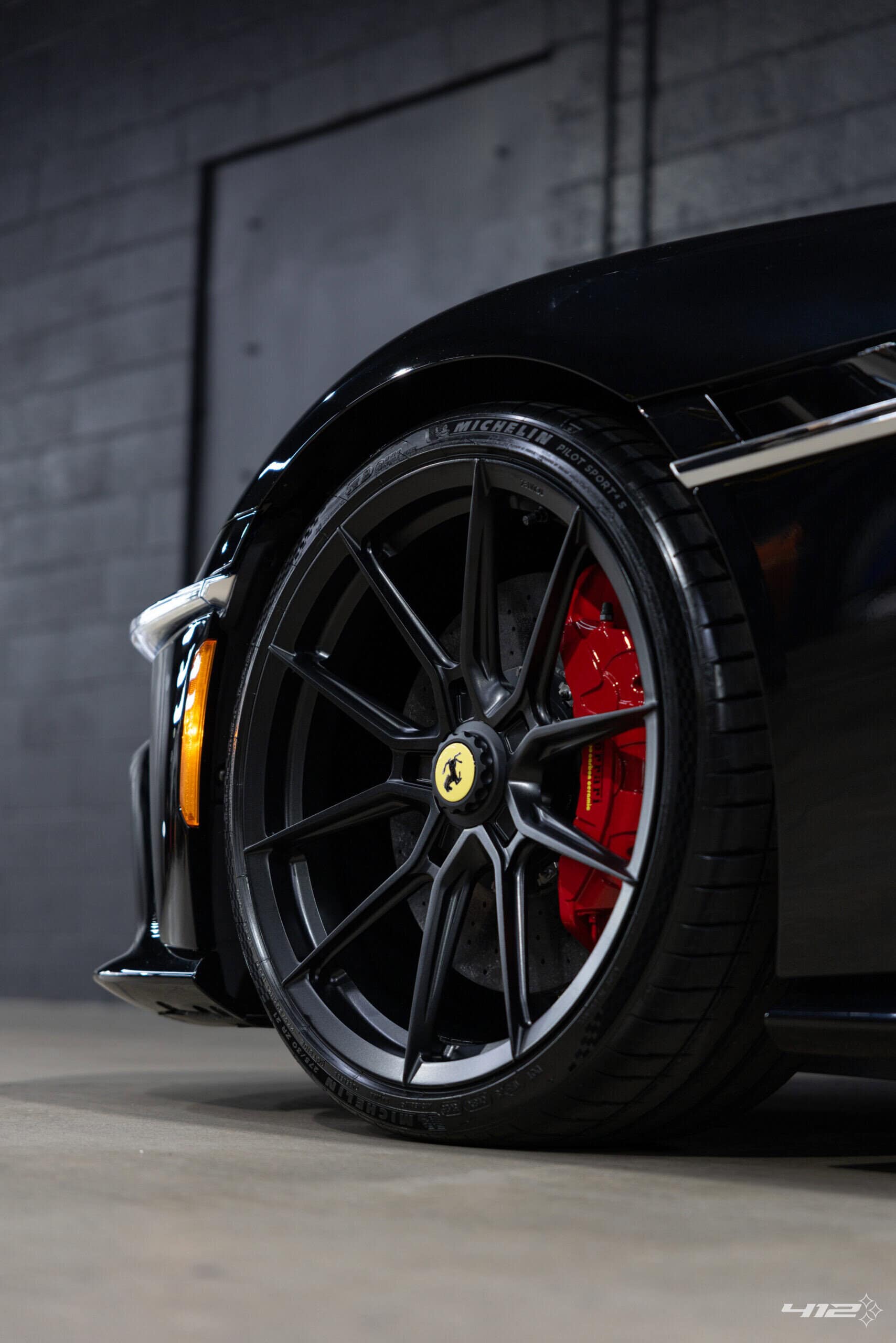
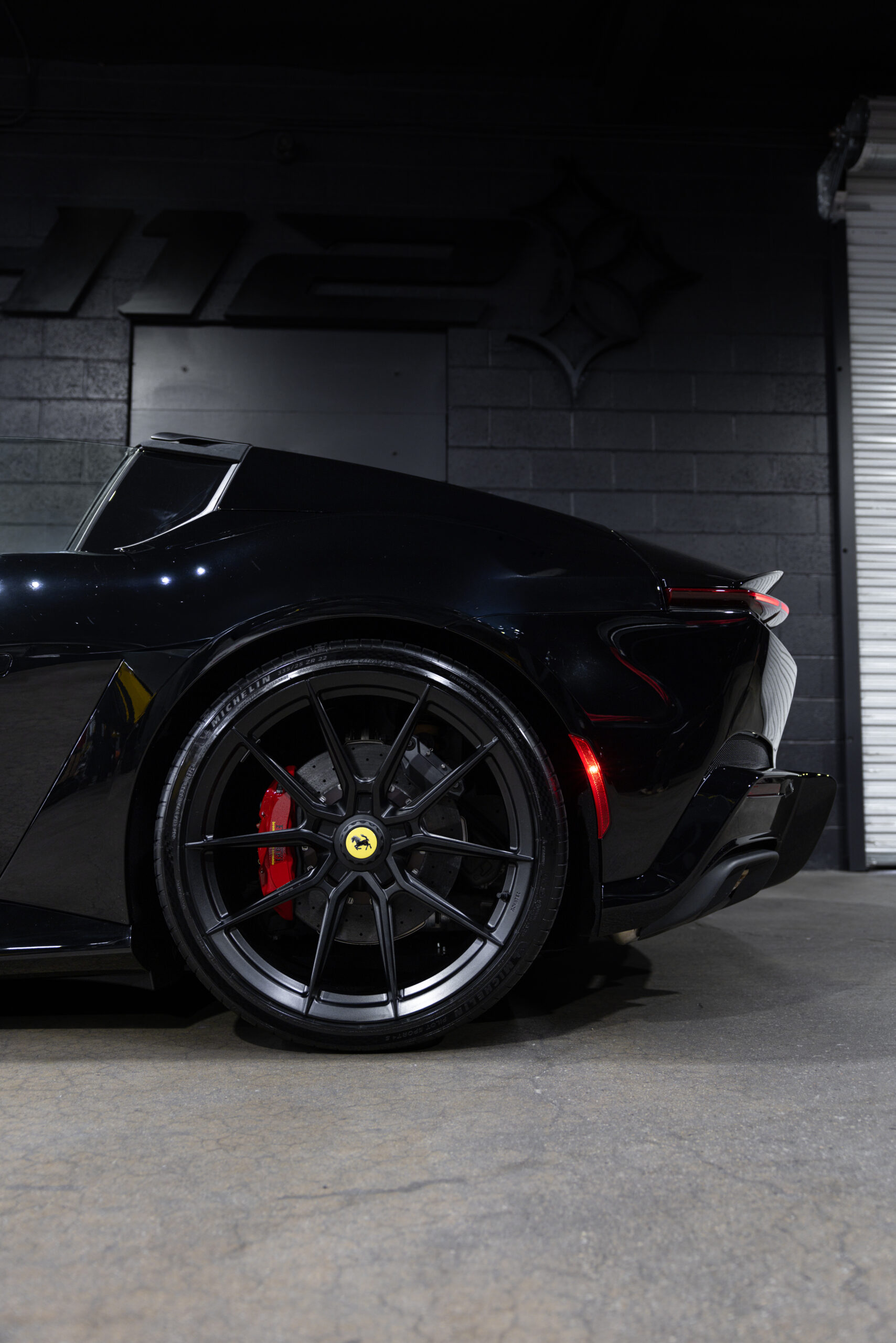
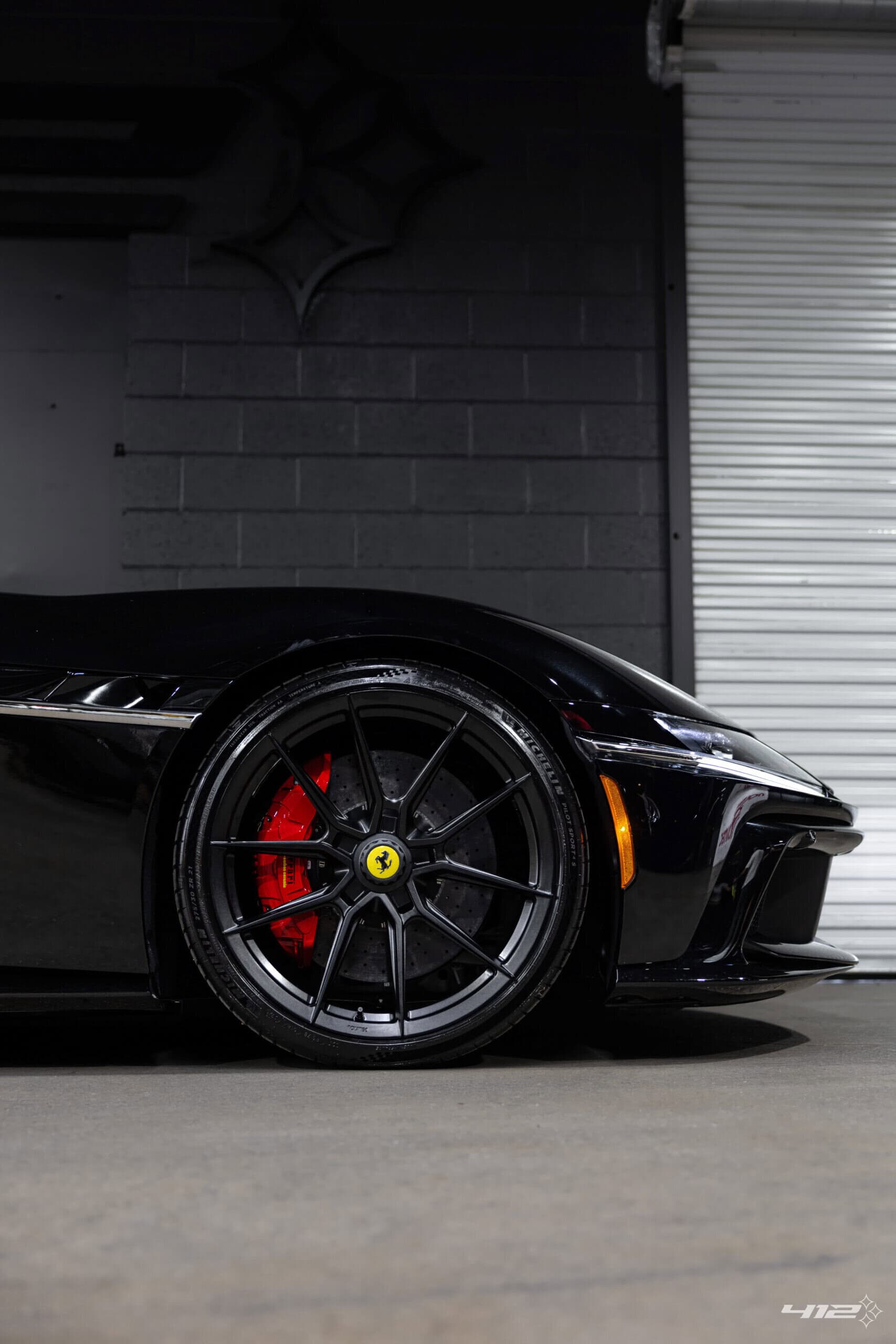
Tire condition includes tread, age and suitability for the model. Brake inspection considers wear, condition and the specific braking system. Carbon-ceramic components, where fitted, require particular attention to the manufacturer’s assessment criteria.
For vehicles stored for extended periods, battery care should follow the manufacturer’s recommendations. Insurance, registration and storage belong in the wider ownership budget, even though they are not maintenance charges.
A maintenance perspective by era
Earlier F1-transmission models: Review clutch wear, gearbox-related history and the timing of model-specific scheduled work.
Naturally aspirated V8 and V12 models: Examine the service history, age-related components, consumables and the schedule appropriate to the exact platform.
Modern turbocharged and hybrid models: Consider the wider electronic and powertrain systems alongside conventional service items. Specialist diagnostic capability is especially relevant where high-voltage systems are involved.
These are distinct maintenance profiles, not interchangeable cost categories.
The pre-purchase inspection

A pre-purchase inspection connects the advertised history of a car with its present condition. Depending on the platform, it may include diagnostic review, drivetrain checks, assessment of brakes and tires, evidence of repairs, and a comparison of completed maintenance against the prescribed schedule.
Its value lies in identifying upcoming work and providing context for a purchase decision. Inspection scope should be agreed for the particular model rather than treated as a generic checklist.
Planning with greater clarity
Begin with the service records and manufacturer schedule. Identify the next major interval, review consumable condition, account for the car’s use and retain a contingency for findings that cannot be known in advance. Keep each completed service documented for continuity.
The aim is not to eliminate every variable. It is to separate what can be scheduled from what must be assessed.
Ferrari maintenance at 412 Motorsport
Our Los Angeles team can review a Ferrari’s model, mileage and service history to discuss its next maintenance requirements. Our Ferrari services and Ferrari oil change guide explore the individual operations in greater detail.
Frequently asked questions
How much does Ferrari maintenance cost per year?
Published third-party market estimates put it at roughly $3,000–$8,000 per year. Actual expenditure depends on the model, service year, condition, mileage and applicable coverage; major repairs or consumable replacements may sit outside routine annual servicing.
How does it compare with other exotic cars?
A meaningful comparison requires similar age, use, condition and service scope. Model-specific schedules are more reliable than marque-wide assumptions.
Does a low-mileage Ferrari still need servicing?
Yes, when its schedule specifies time-based work. Tires, fluids and batteries also require attention according to age and condition.
Which items can create substantial additional cost?
Depending on the model, clutch or transmission work, brake components and major drivetrain repairs can be significant. These are not necessarily routine annual items.
How should I budget for ownership?
Review the exact model’s schedule and maintenance history, identify upcoming major work, assess consumables and allow for unforeseen findings.