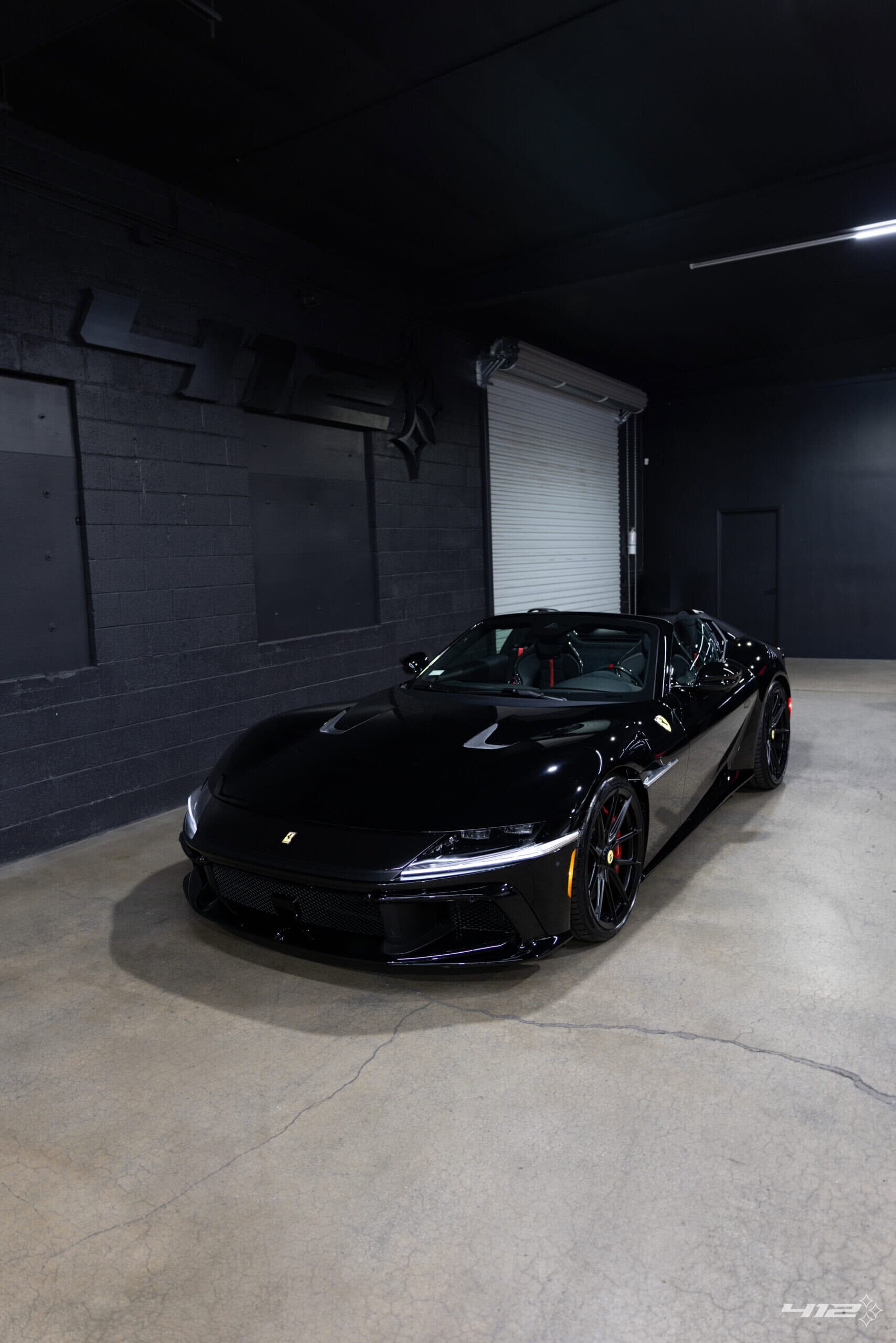
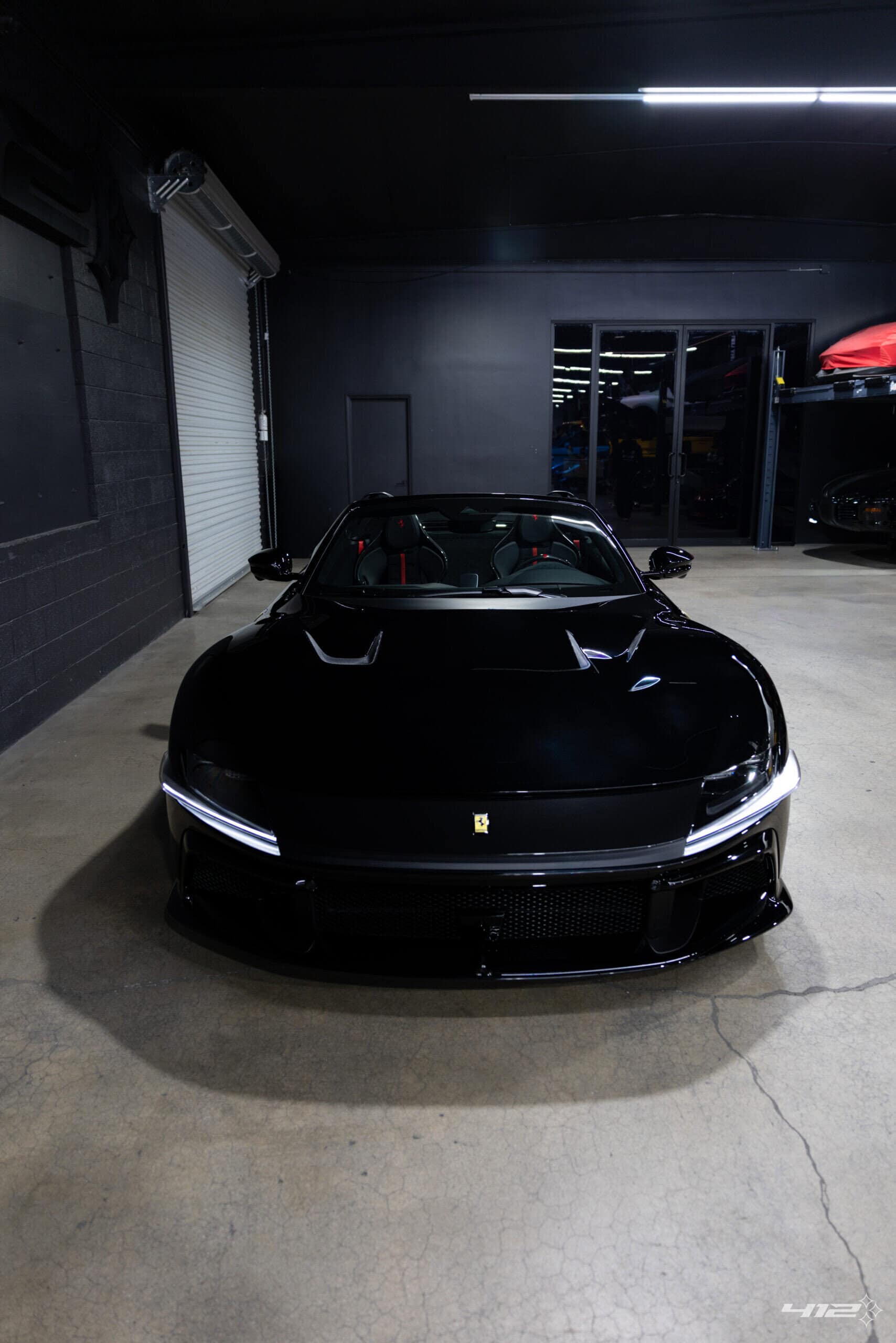
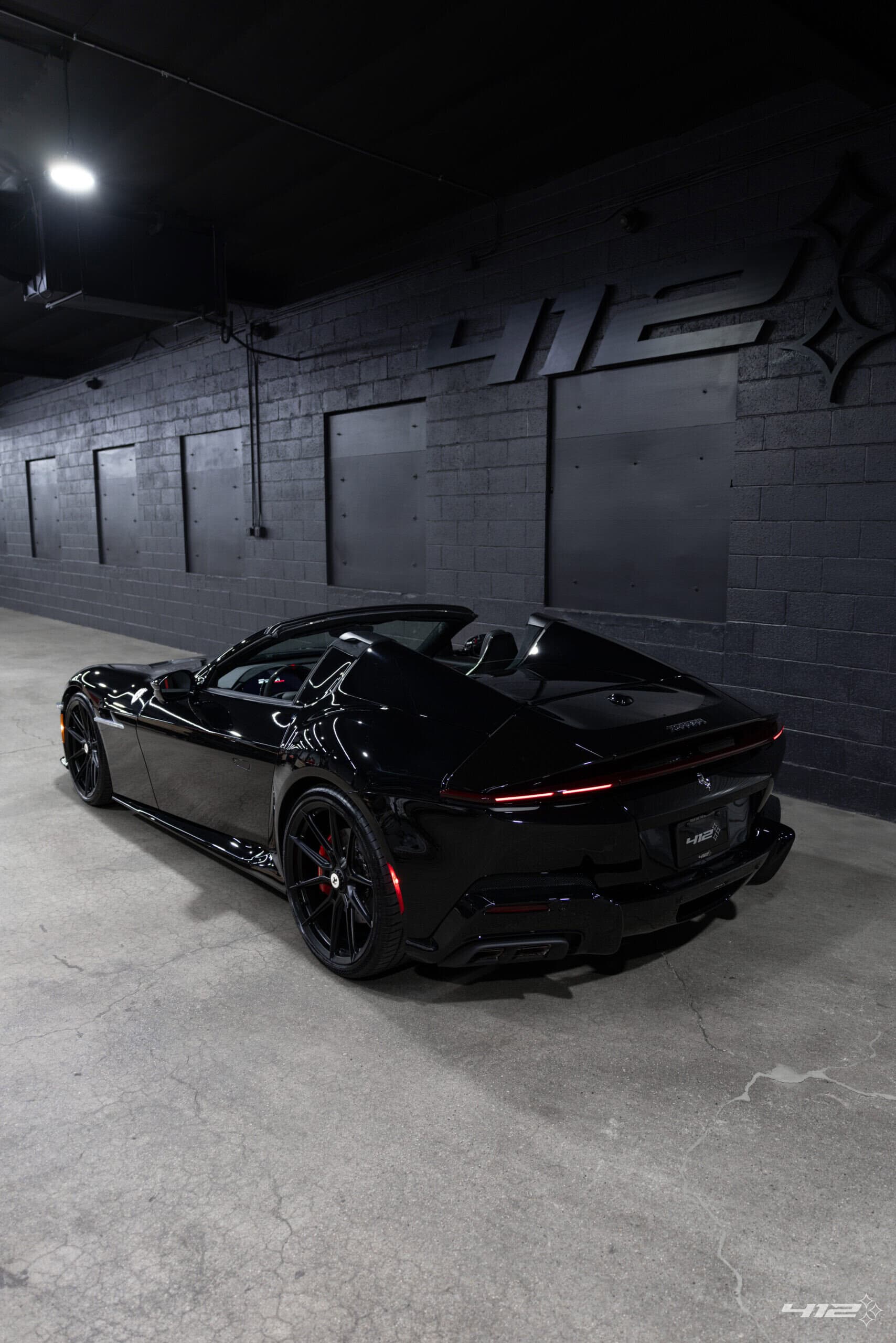
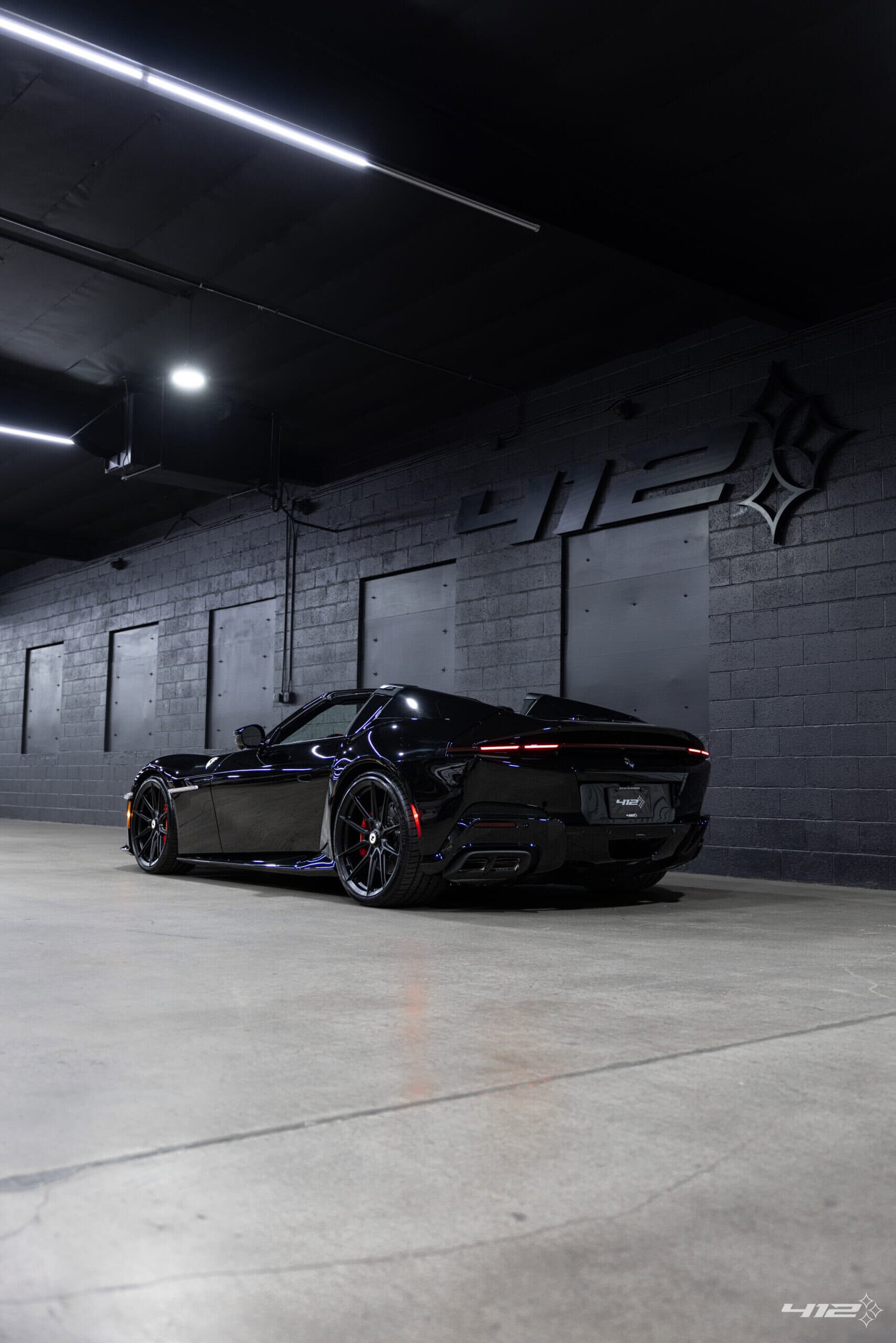
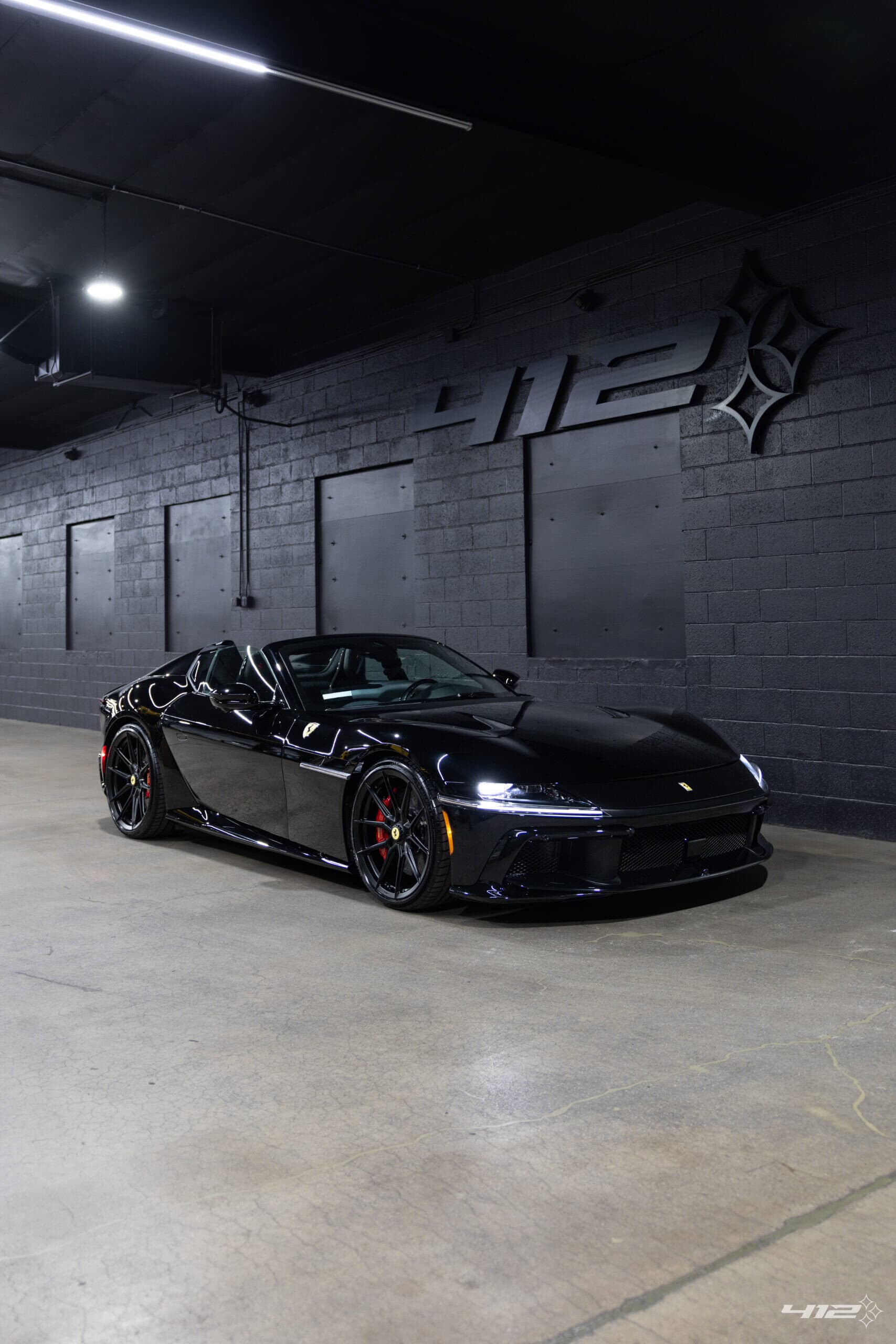
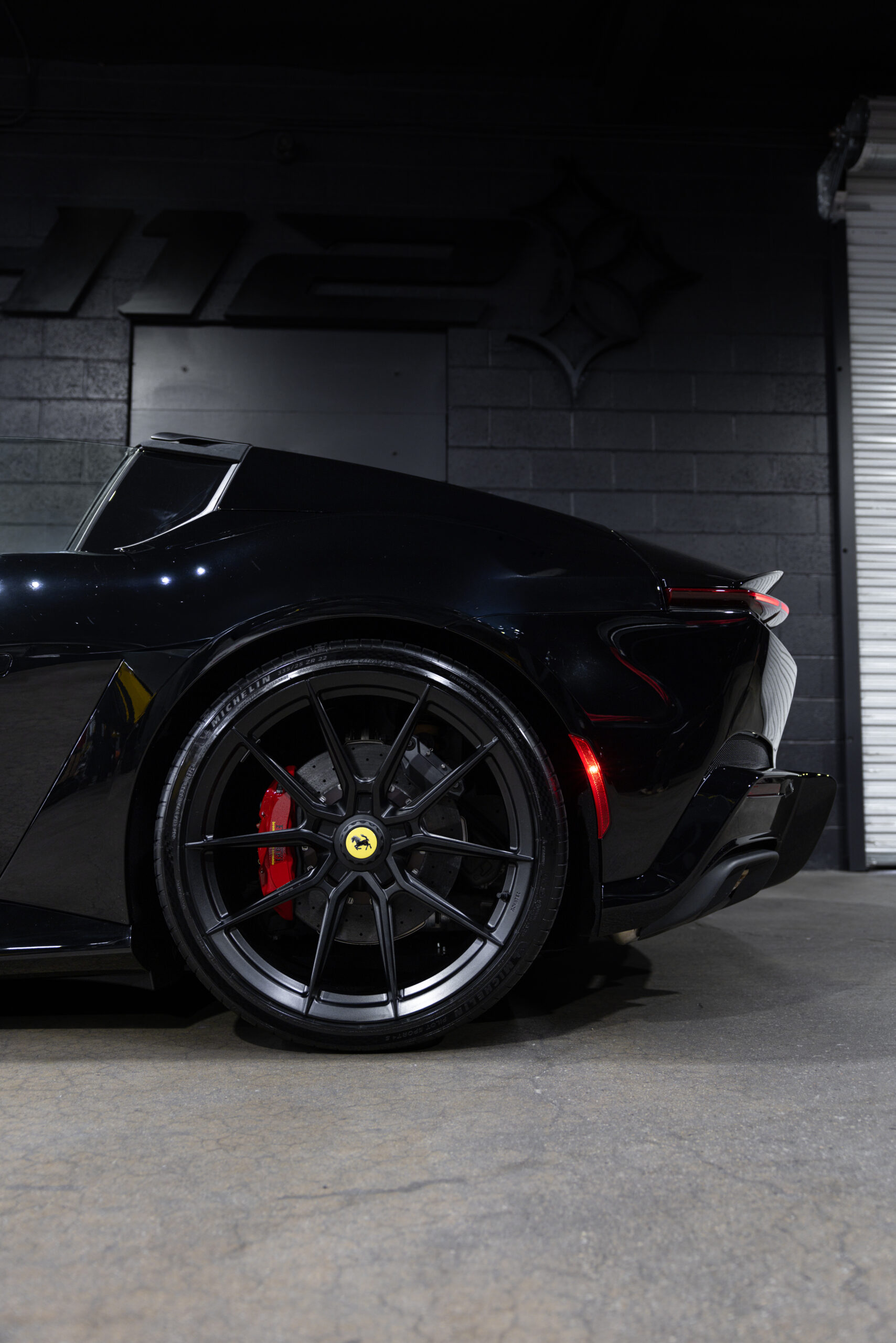
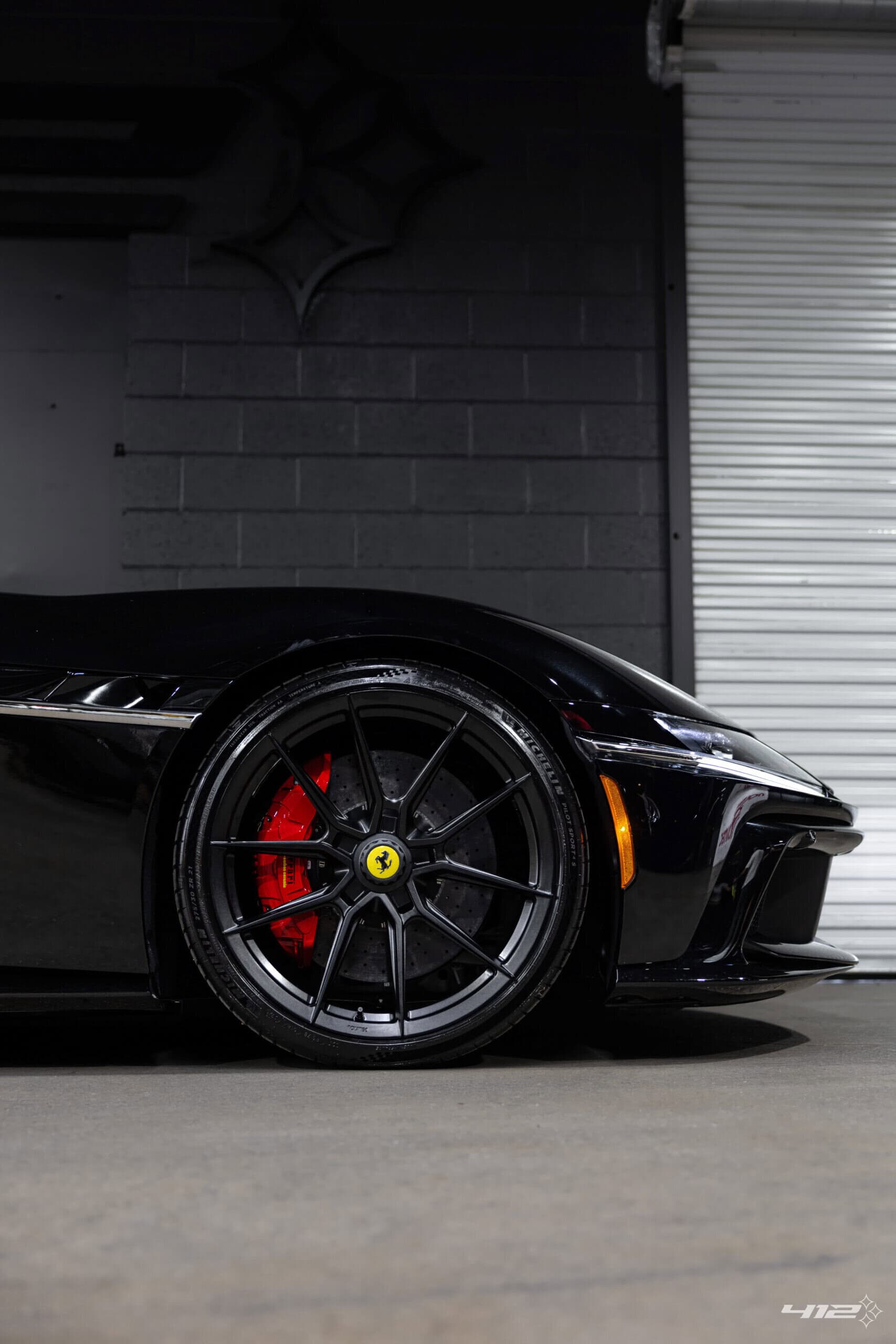
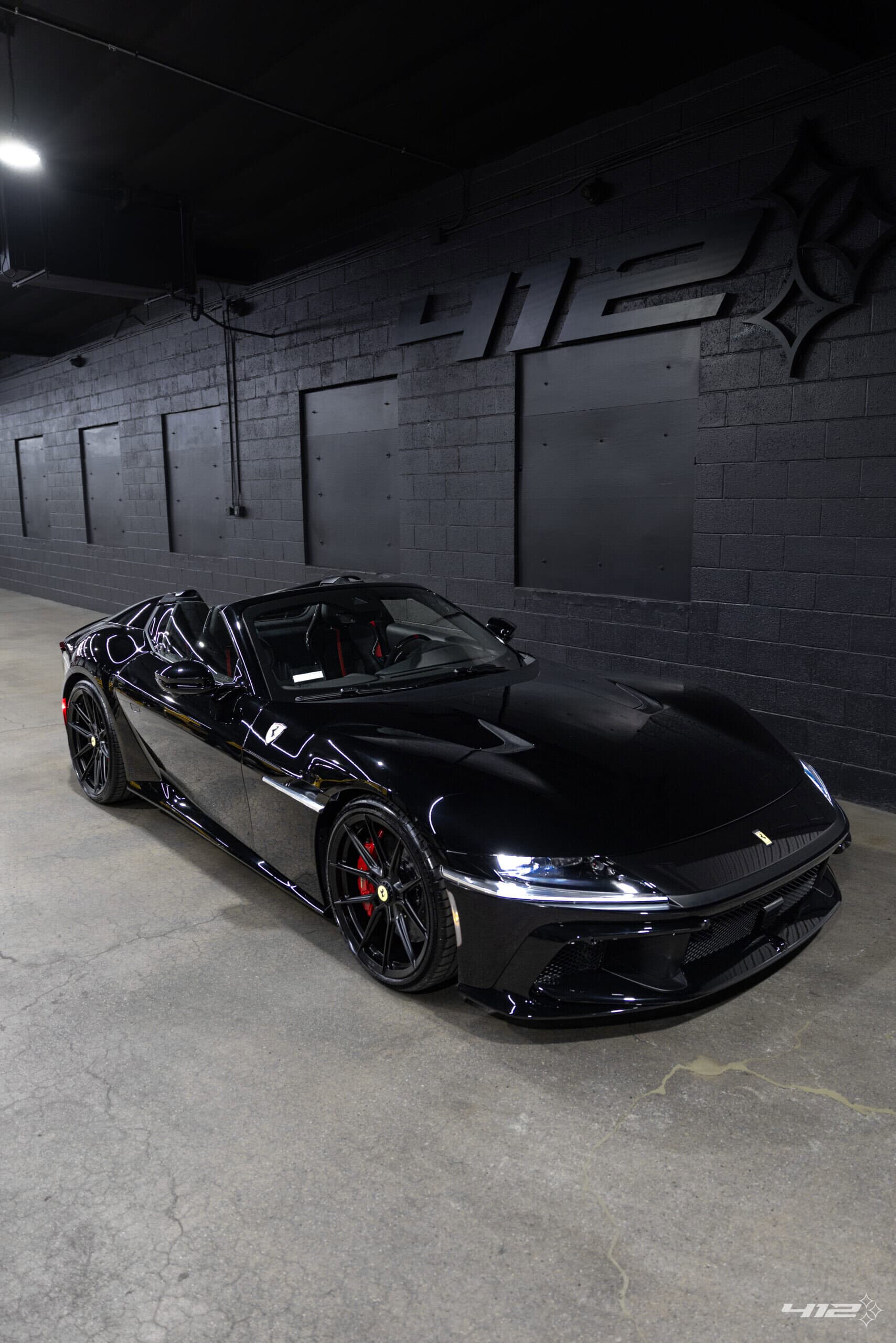
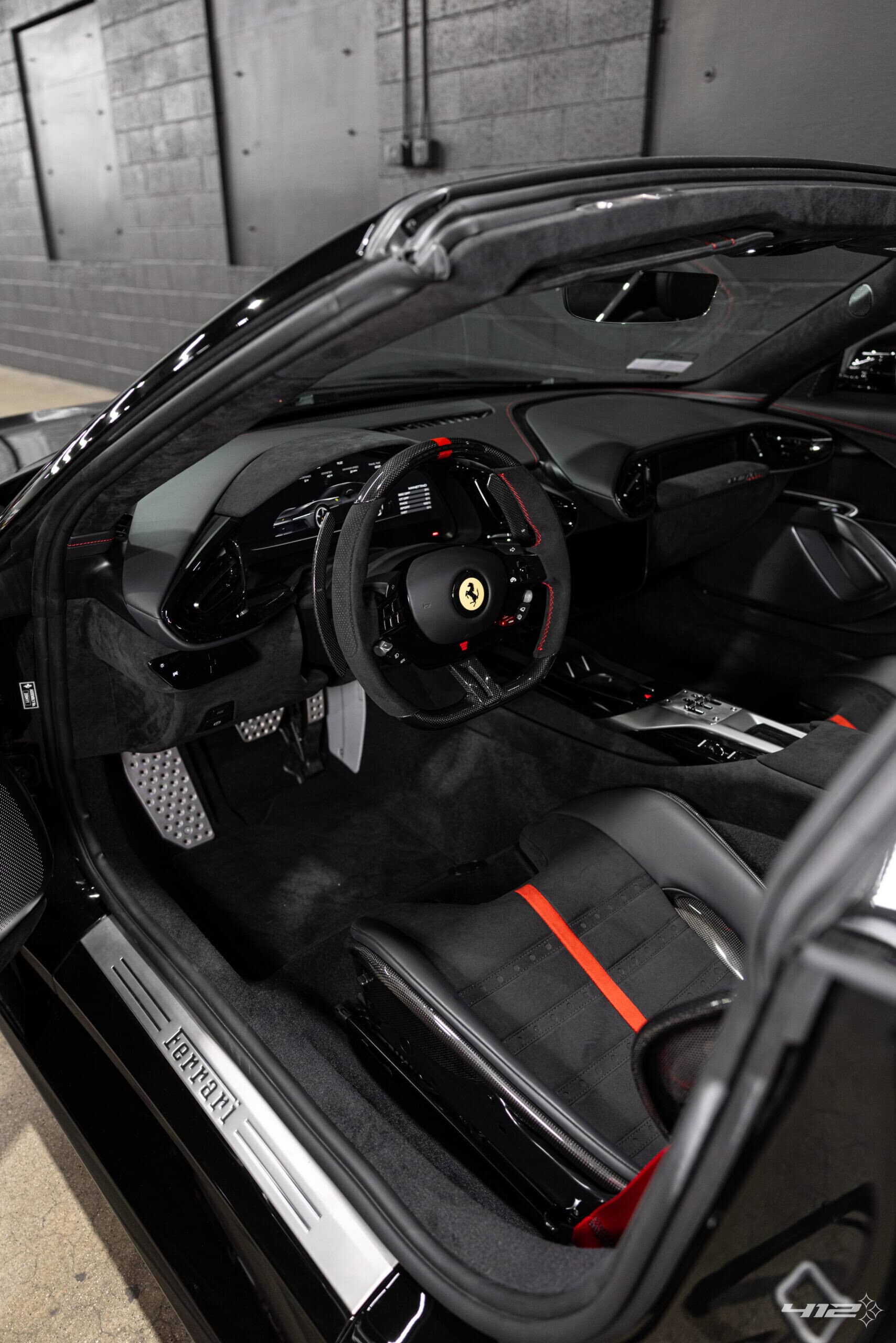
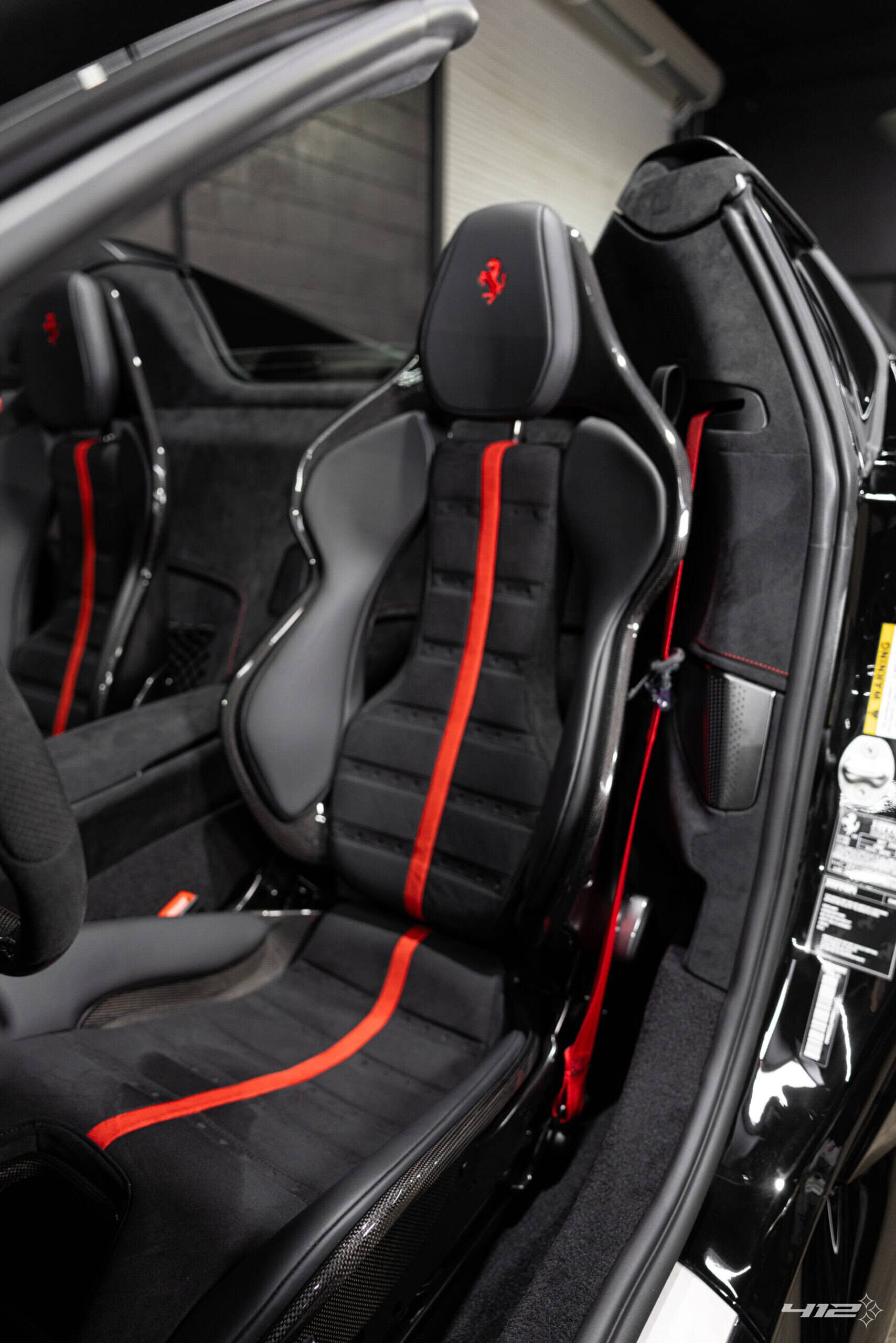
Colored PPF is paint protection film with color built into it. Like clear PPF, it is made from thermoplastic polyurethane with a self-healing top layer. It also adds a pigmented color layer, so it changes how the car looks while protecting the factory paint underneath. Compared with a vinyl wrap, colored PPF is roughly twice as thick, more resistant to stone chips and typically warranted for around ten years.
After the permanence of a factory color, colored PPF offers a different kind of freedom. It suits owners who want a new color without repainting, and owners who want to keep the original paint in perfect condition for the future. This guide explains how colored PPF is made, how it compares with vinyl and paint, and how to care for it.
What colored PPF is
Clear paint protection film is designed to be invisible. Colored PPF uses the same protective construction and adds color. A typical colored film is built in four layers: a self-healing topcoat, a thick layer of thermoplastic polyurethane, a color and base layer, and an adhesive. Inozetek’s specification for one of its colored films, for example, totals 7.82 mils across those four layers.
The result is a film that behaves much like premium clear PPF. Light swirls in the topcoat can relax with warmth, the polyurethane absorbs impacts from road debris, and the factory paint beneath gains an additional layer of protection. The difference is that the car takes on an entirely new color and finish, from gloss and satin to metallic and color-shifting effects.

Colored PPF compared with vinyl wrap
Vinyl wraps and colored PPF can look similar from a distance, but they are different materials made for different purposes.
Thickness is the clearest distinction. XPEL COLOR measures 8 mils, Avery Dennison PrismaPro 8.5 mils and STEK’s DYNO color films 8 or 10 mils. By comparison, 3M’s 2080 wrap film is 3.5 mils without adhesive, and Avery Dennison’s SW900 face film ranges from 3.2 to 4.7 mils.
The material differs as well. Colored PPF is polyurethane, while most wrap films are PVC-based vinyl. Polyurethane is more elastic and better at absorbing impacts, which is why it is the material of choice for protection. Vinyl remains an excellent medium for color, graphics and shorter-term changes, and it typically costs less.
In practice, vinyl is ideal when the goal is purely aesthetic or temporary. Colored PPF is the stronger choice when the goal is to change the color and protect the paint at the same time.
Colored PPF compared with a repaint
A full repaint changes the color permanently and alters the car’s factory finish. On a modern exotic, original paint is part of the car’s history, and many buyers place real value on it.
Colored PPF changes the color while leaving the original paint intact beneath the film. When the time comes to sell, or simply to return to the original color, a professionally installed film can be removed, although removal should be assessed against the paint’s condition, repair history and the film manufacturer’s guidance. Manufacturers such as XPEL provide removal guidance, but results depend on the condition and originality of the underlying paint.
Colored PPF products and warranties
Several manufacturers now offer colored PPF. Each has its own range and warranty:
- XPEL COLOR launched in September 2025 with 16 colors, five of them satin, and carries a limited 10-year warranty covering yellowing, blistering, cracking and delamination.
- STEK offers 15 DYNO colors in gloss, matte and prism finishes, warranted for 10 years, or 12 years when topped with STEK’s own ceramic coating.
- 3M’s Protection Wrap Film color series offers a broad range of gloss, matte and color-shift finishes with a 10-year consumer warranty.
- Avery Dennison introduced PrismaPro in June 2026 with 10 launch colors and a warranty of up to 10 years on vertical surfaces.
- Inozetek’s InoColor range launched in September 2025 with a wide selection of colors and a 10-year warranty.
Warranty terms differ in what they cover and how they apply, so it is worth reviewing the specific terms for the film you choose.

Colored PPF finishes
Colored PPF is no longer limited to a few gloss shades. Manufacturers now offer gloss, satin and matte finishes, along with metallic and color-shifting effects. XPEL COLOR includes five satin colors within its range of 16. STEK offers gloss, matte and prism films, and 3M’s color series includes gloss, matte and color-flip options.
The finish has as much influence on the result as the color. Gloss films sit closest to the look of paint, satin finishes give a softer, more architectural appearance, and color-shift films change with the light. On a car with strong lines, a satin or matte finish can highlight the bodywork beautifully.
How long colored PPF lasts
The leading colored PPF films are typically warranted for around 10 years, and STEK extends this to 12 years with its ceramic topcoat. Actual life depends on climate, storage, driving and care, and Southern California’s strong sun makes good care especially worthwhile.
For comparison, vinyl wrap manufacturers rate their films by surface and climate. 3M rates its 2080 film at up to eight years on vertical surfaces. Avery Dennison rates SW900 colors at up to 10 years on vertical surfaces in the most favorable climate zone, with shorter figures for metallic and specialty finishes. Horizontal surfaces such as the hood and roof are rated for less.
Our guide to how long PPF lasts explains the factors that shape film life in more detail.
Details to discuss before installation
A few decisions shape the finished result. The first is coverage. Door jambs, sills and the areas visible when a door or hood is open will show the original color unless they are also covered. It is worth agreeing in advance how far the film will extend.
The second is the color itself. Some colored films are fully opaque, while others are tinted or translucent and interact with the paint beneath. STEK notes, for example, that the appearance of its prism film depends on the base color. Viewing a physical sample on the car, in daylight, is the best way to judge the final effect.
The third is ownership. If the car is leased, most lease agreements expect the vehicle to be returned in its original condition, so the film should be planned for removal before the lease ends. It is also sensible to confirm any registration requirements for a color change with the California DMV.
Caring for colored PPF
Colored PPF is cared for much like clear film. Regular hand washing with a pH-neutral shampoo, prompt removal of bird droppings and tree sap, and parking in shade or a garage all help preserve its finish. A ceramic coating formulated for film adds a further layer of protection and makes washing easier. Our guide to ceramic coating and PPF explains how the two work together.
Satin and matte films need particular care, because polishes and waxes can create shiny patches. Using products designed for satin finishes keeps the appearance even.
Colored PPF in our studio
A color change begins with a simple question: how long will the new color stay on the car? For a short-term change or a graphic, vinyl remains an elegant option. For a longer-term color change, colored PPF combines a new appearance with a protective layer, though the choice still depends on the specific film and desired finish.
The car’s long-term story matters too. On a limited or collectible car, the original paint beneath the film keeps its provenance intact. On a car ordered in a color its owner has grown tired of, colored PPF offers a fresh start without a repaint. For owners specifying a new Porsche, our article on Paint to Sample covers the factory route.
At our Los Angeles facility, we install clear and colored paint protection film and wraps on Ferrari, Lamborghini, McLaren, Porsche, Rolls-Royce and other high-end cars. Our paint protection and wrap services explain our approach, and our team is available to discuss colors, coverage and timing for your car.
Frequently asked questions
Can PPF change the color of a car?
Yes. Colored PPF includes a pigmented color layer within a self-healing polyurethane film, so it changes the car’s color while protecting the paint beneath.
Is colored PPF better than a vinyl wrap?
Colored PPF is about twice as thick as typical wrap vinyl, made from more impact-resistant polyurethane and typically warranted for around 10 years. Vinyl costs less and suits shorter-term or purely aesthetic changes.
How long does colored PPF last?
Leading colored PPF films carry warranties of around a decade, with some extended further when paired with a compatible ceramic coating. Climate, storage and care all affect actual life.
Is colored PPF removable?
Generally, yes. A qualified installer should assess the film, its age and the condition of the underlying paint before removal. Repaired or poorly bonded paint can carry greater risk.